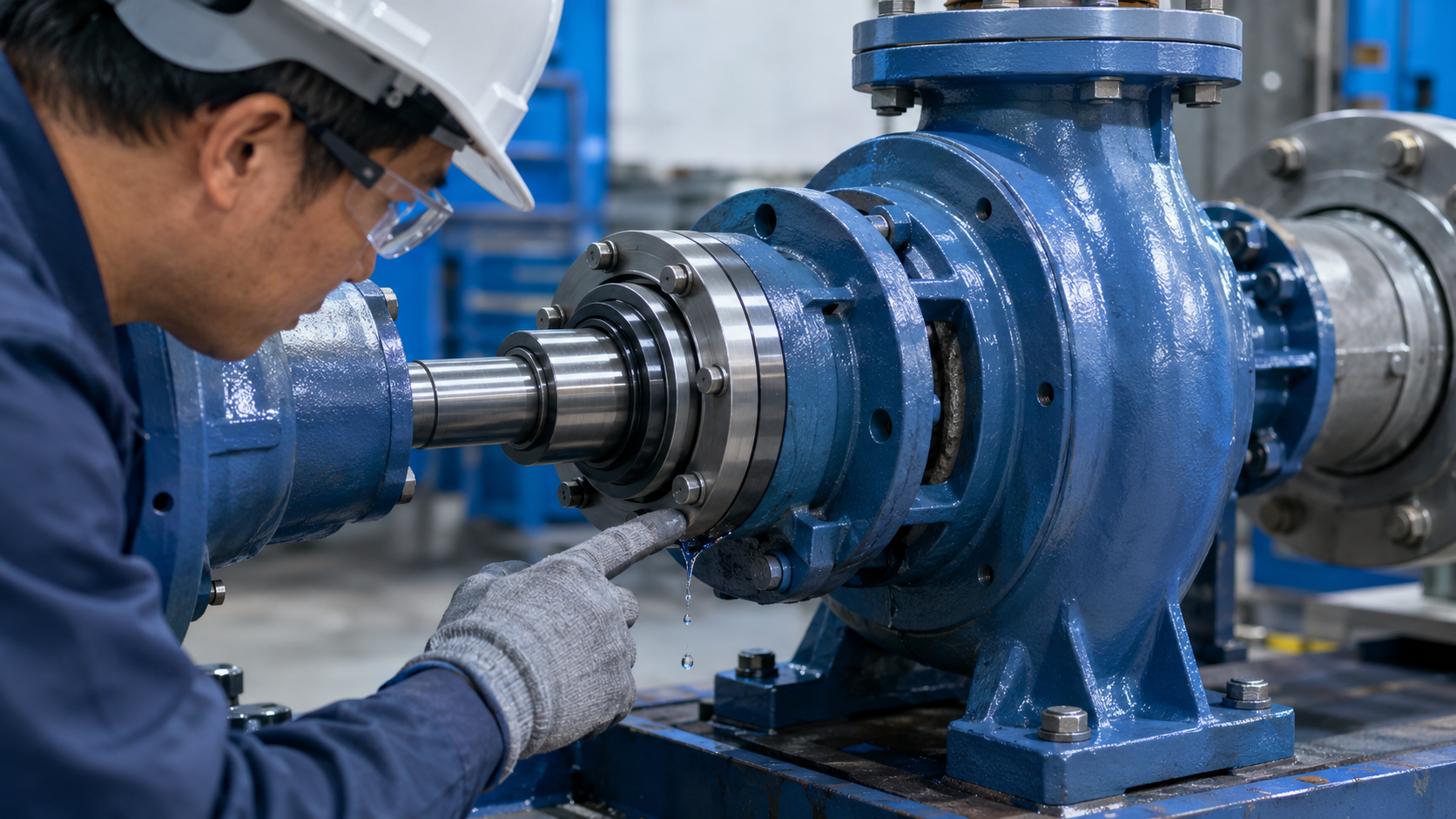
Mechanical Seal Leaking After Installation? 12 Causes & Fixes
A mechanical seal leaking after installation usually indicates an installation error, damaged sealing surface, incorrect
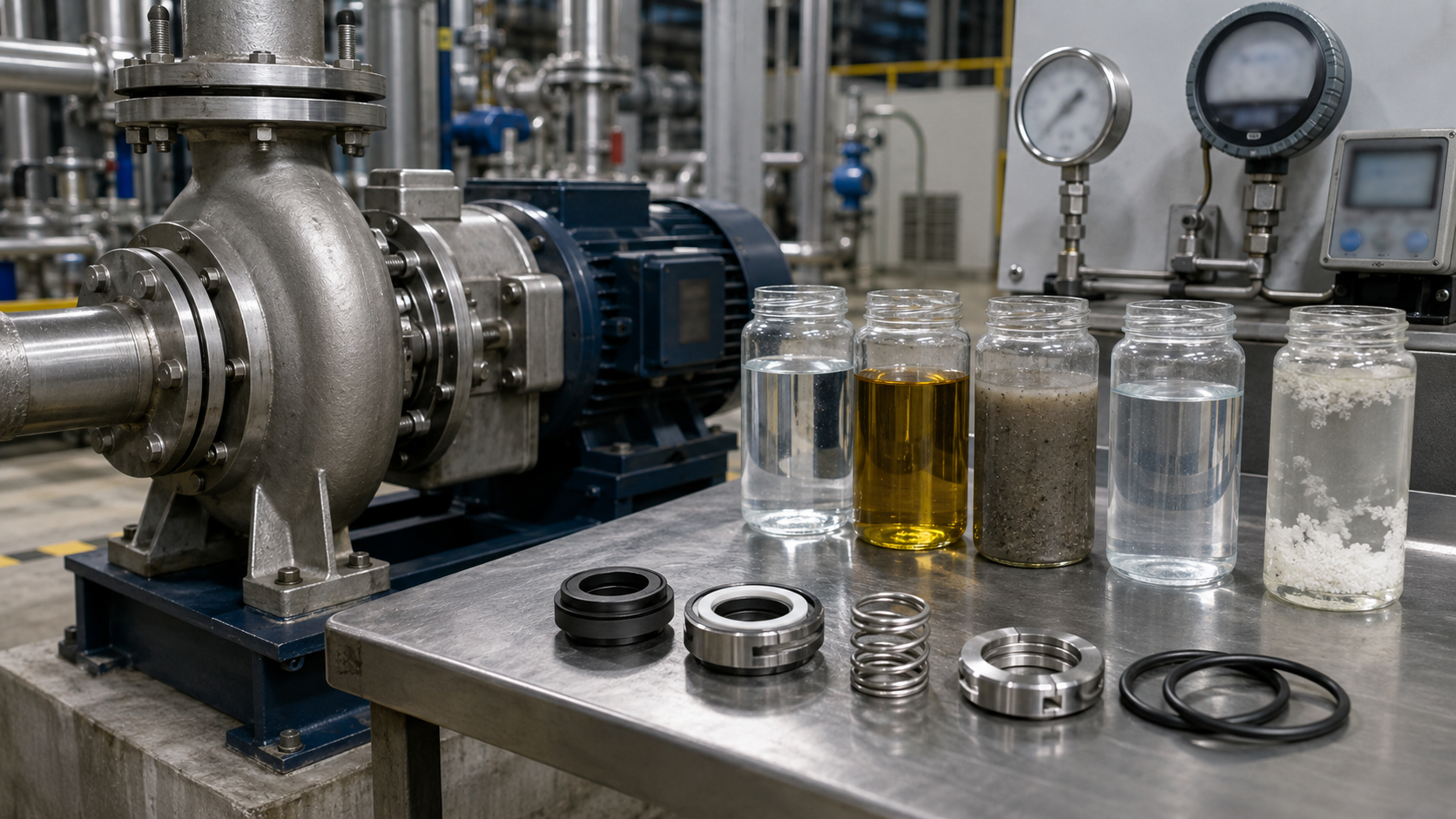
How to Select Mechanical Seal Materials for Different Fluids and Pump Conditions
Choose mechanical seal face, elastomer and metal materials according to the actual fluid, temperature, pressure, solids and pump operating conditions.
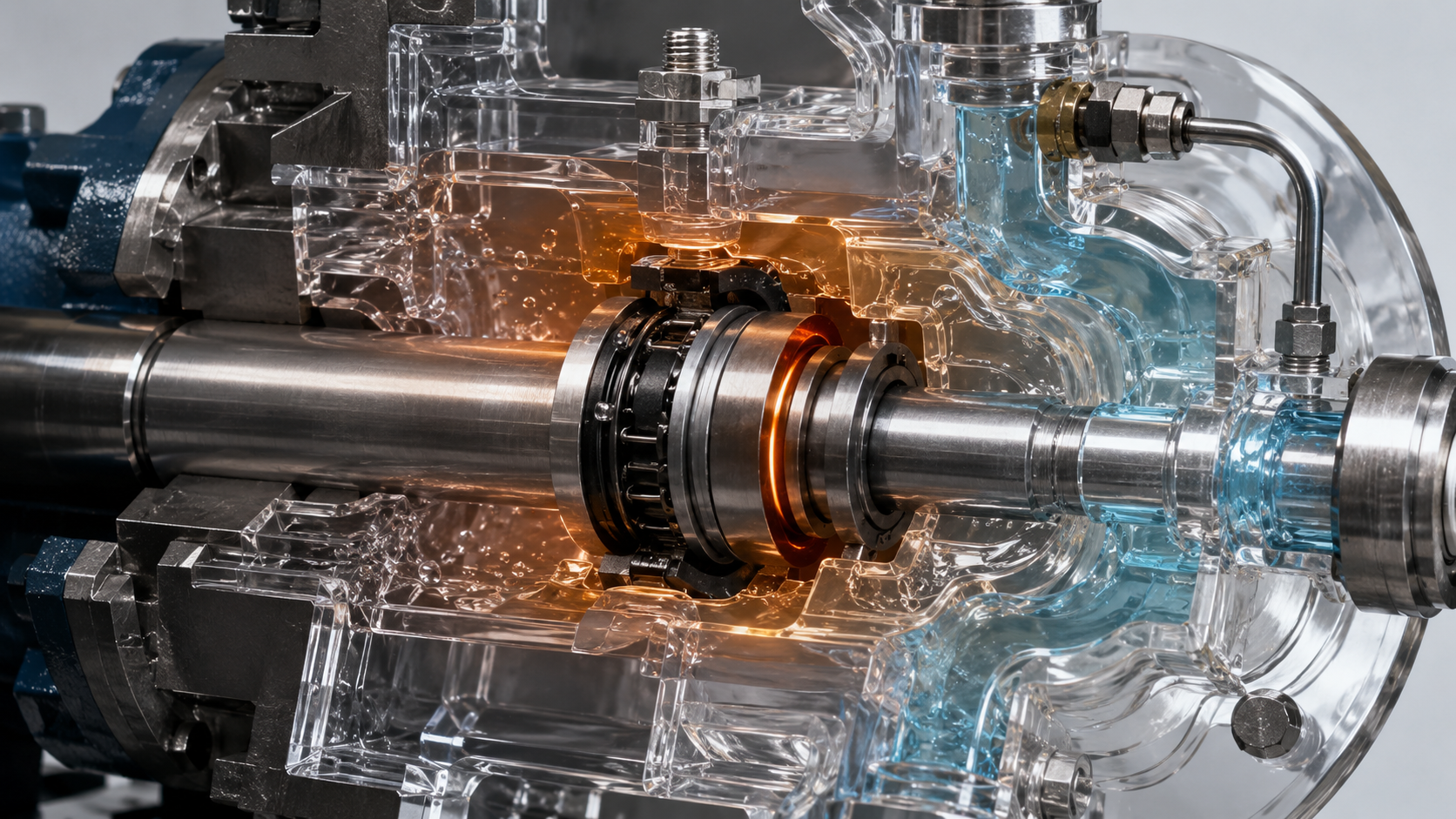
Mechanical Seal Thermal Damage: Causes, Symptoms & Prevention
Understand how overheating, dry running, thermal shock and poor lubrication damage mechanical seal faces, elastomers and surrounding components.
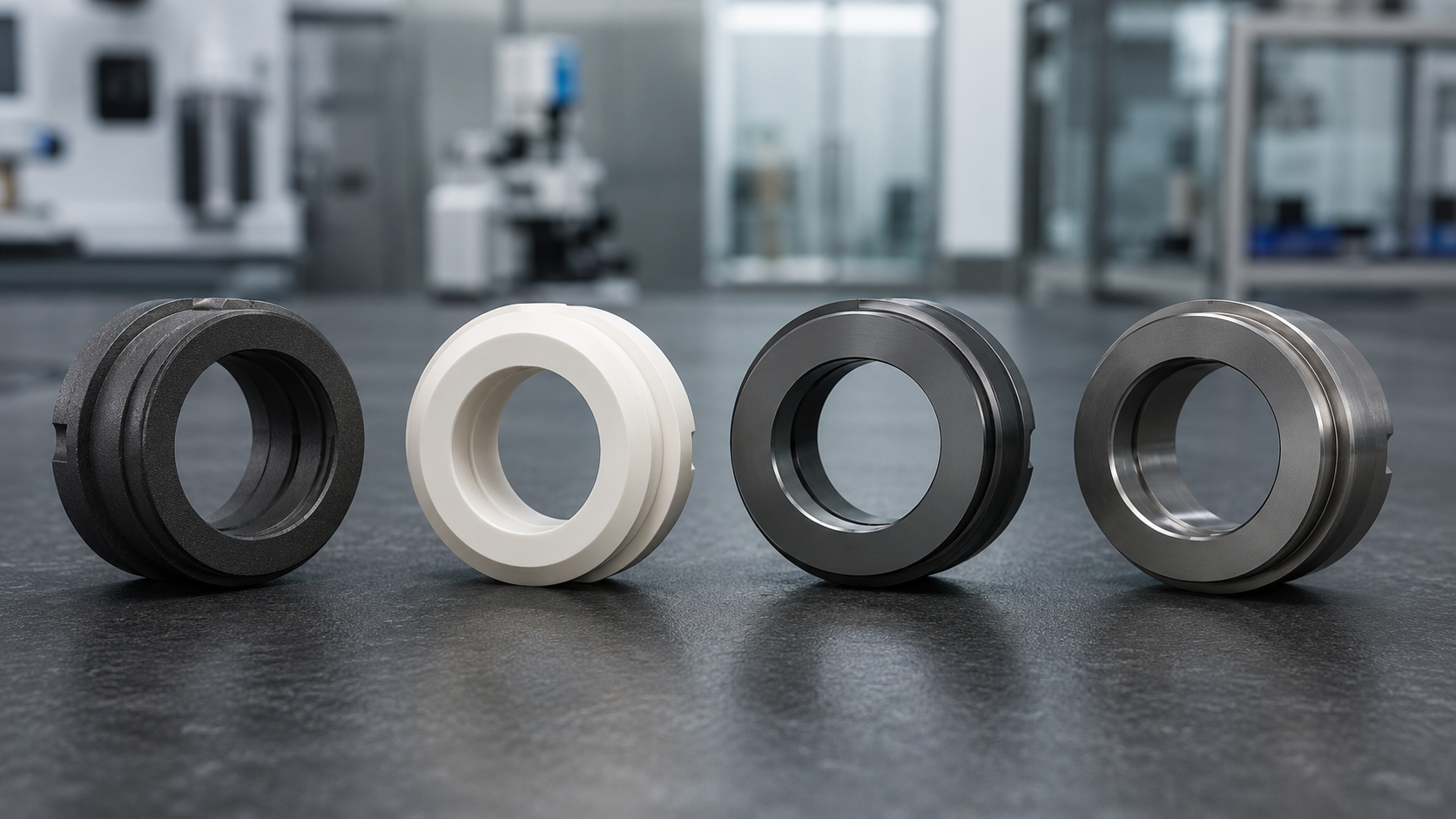
Mechanical Seal Materials Guide: Carbon, Ceramic, SiC & TC
Compare carbon, ceramic, silicon carbide and tungsten carbide mechanical seal faces and understand where each material is most suitable.
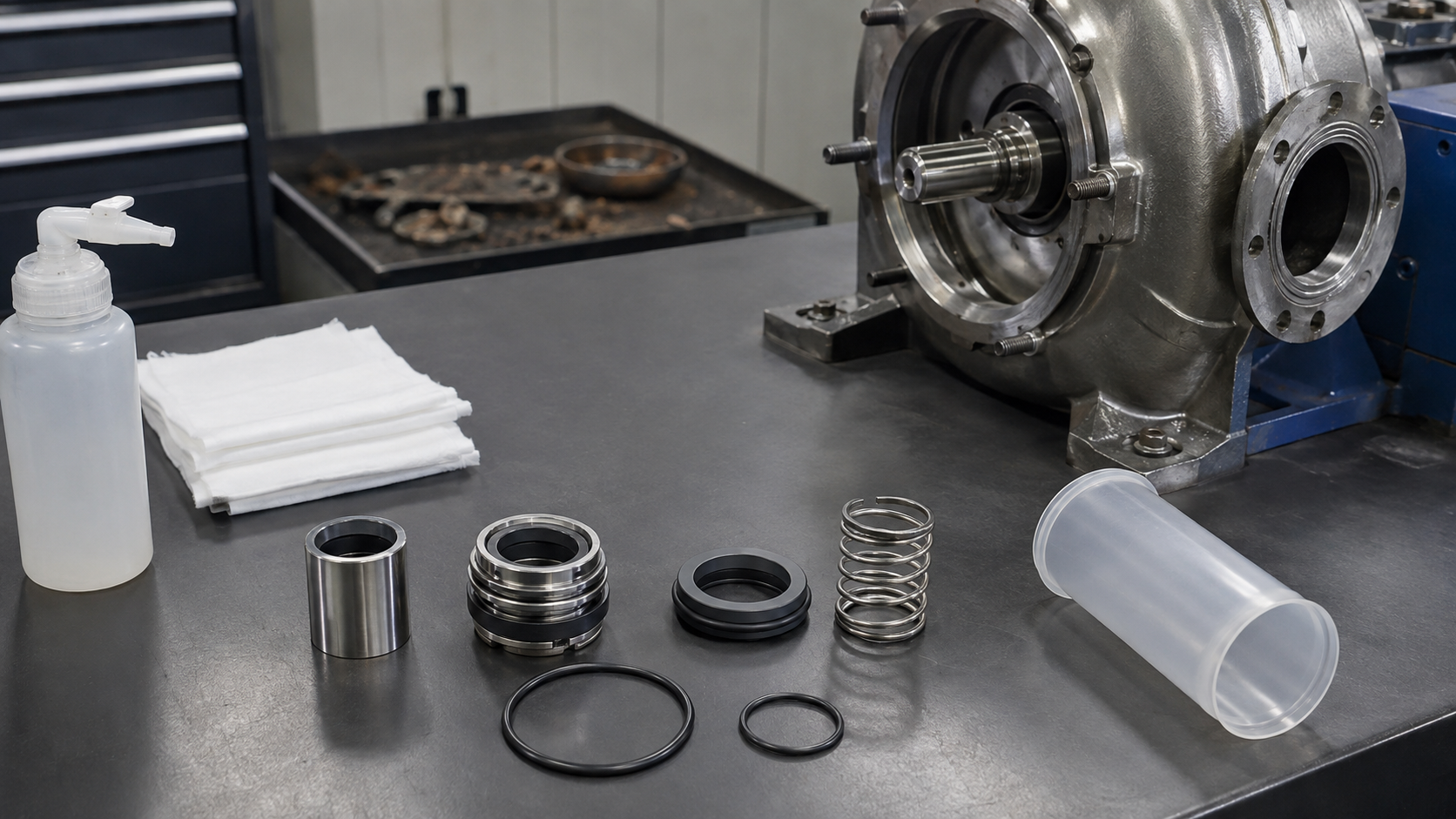
Mechanical Seal Installation Guide: Setup, Startup & Maintenance
Follow practical mechanical seal installation, startup and maintenance principles to reduce face damage, incorrect setting, dry running and premature leakage.
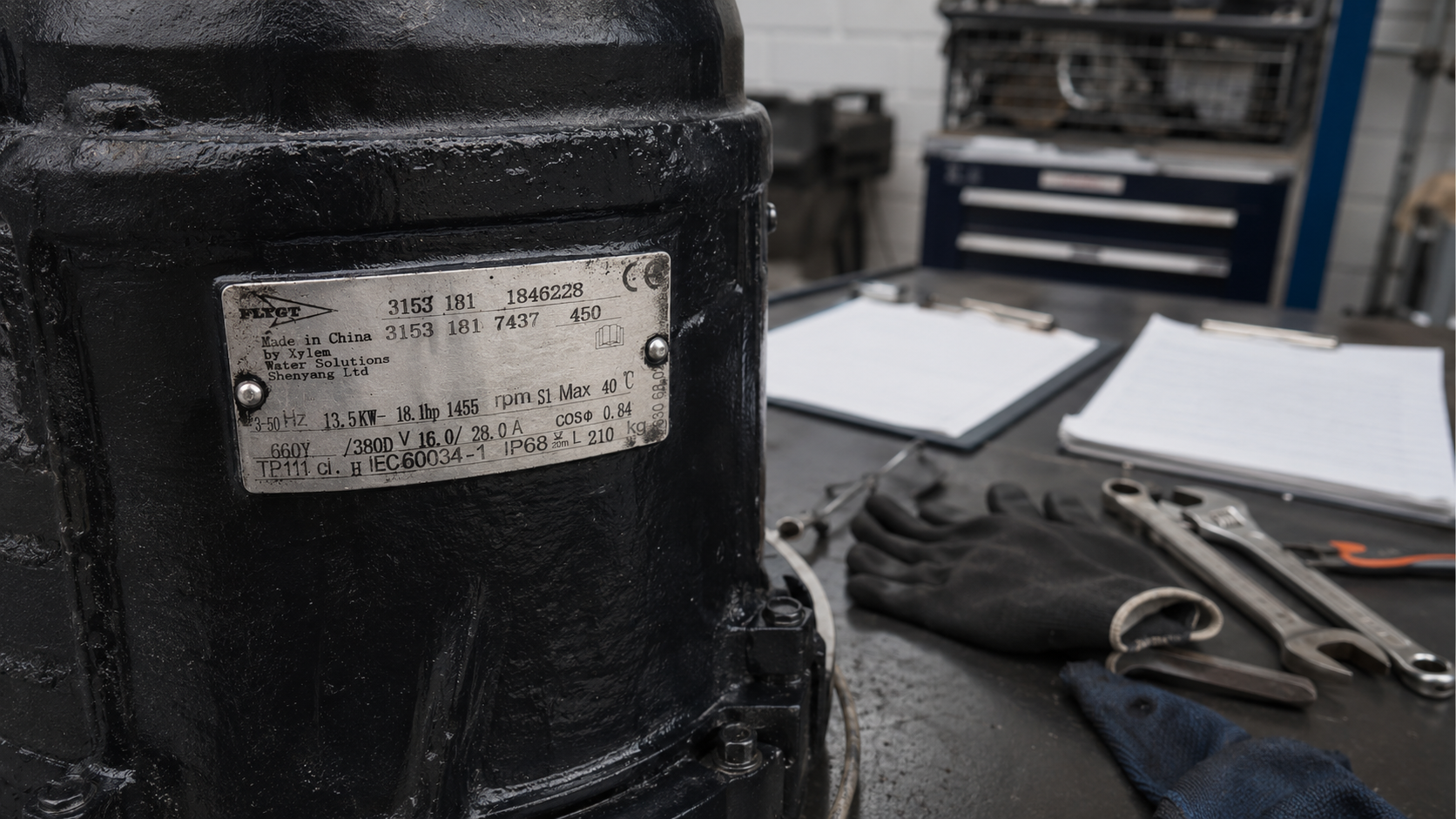
Flygt 3153.181 Mechanical Seal Replacement & Service Guide
A Flygt 3153.181 mechanical seal replacement should begin with exact pump configuration, not only the
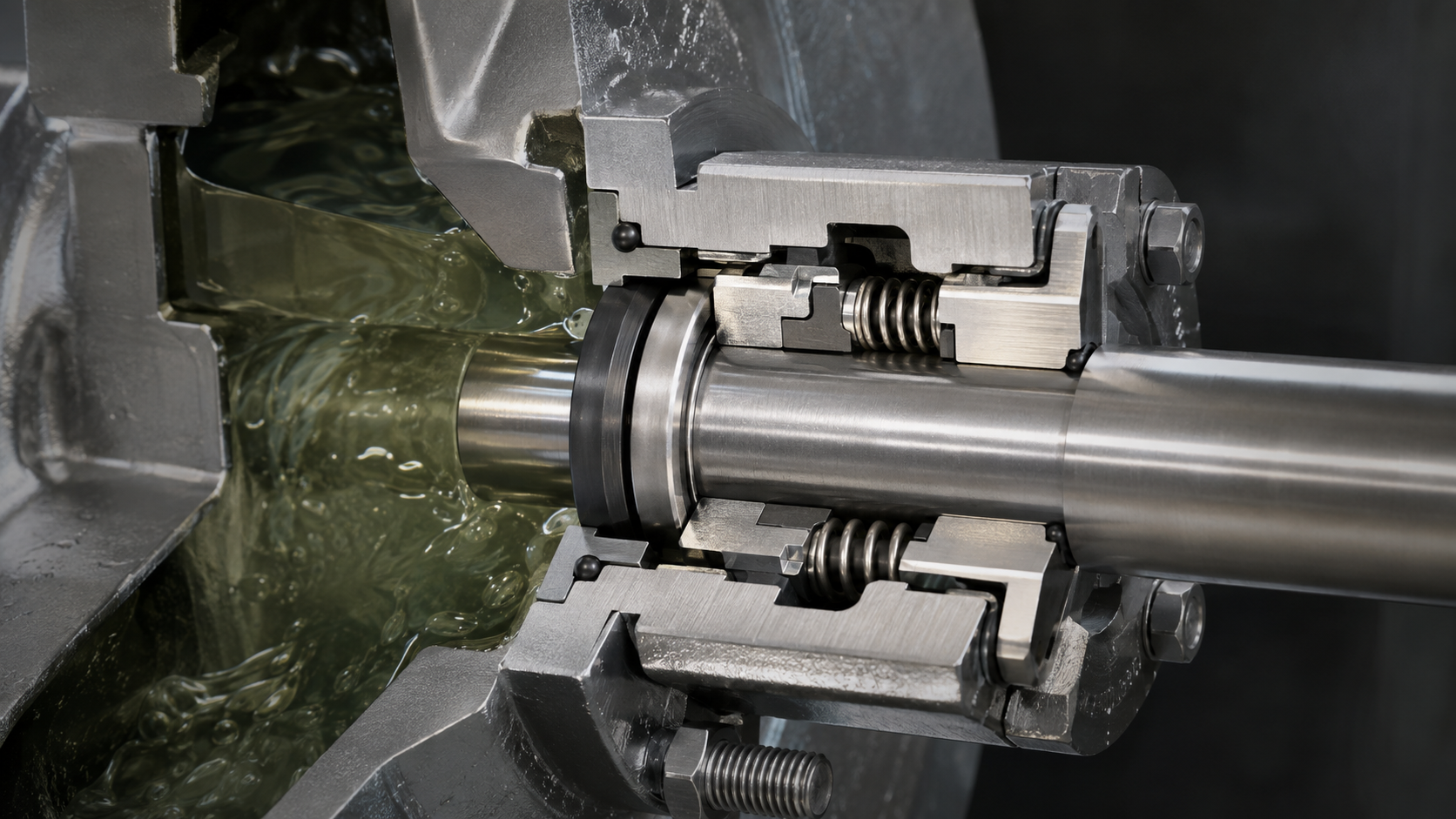
Mechanical Seal Working Principle: How Mechanical Seals Work
Understand how mechanical seal faces, secondary seals, springs and the fluid film work together to control leakage around a rotating shaft.
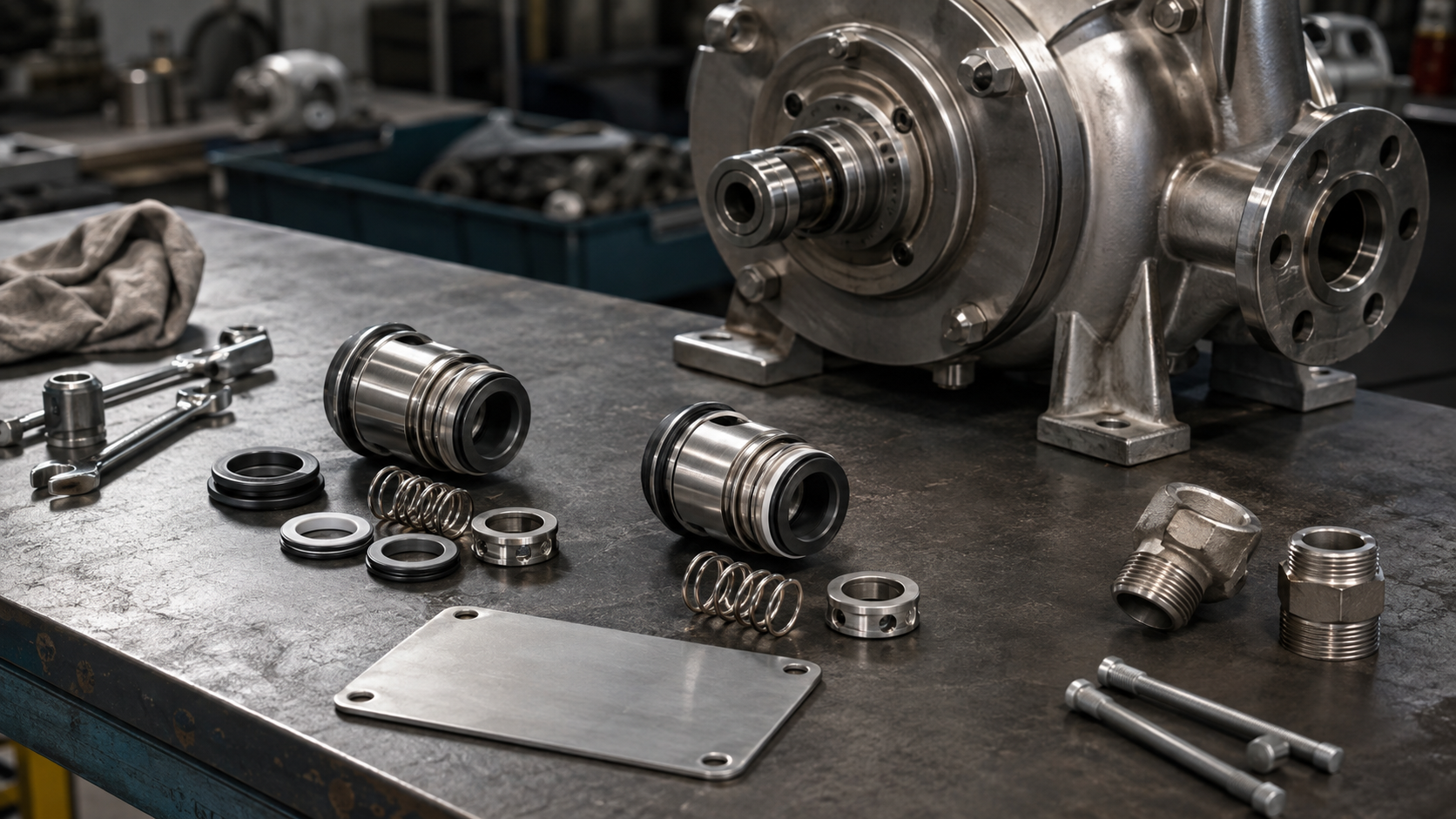
How to Choose the Right Mechanical Seal: Complete Selection Guide
Learn how to select a mechanical seal by checking pump information, fluid, pressure, temperature, speed, seal design, face materials and elastomers.
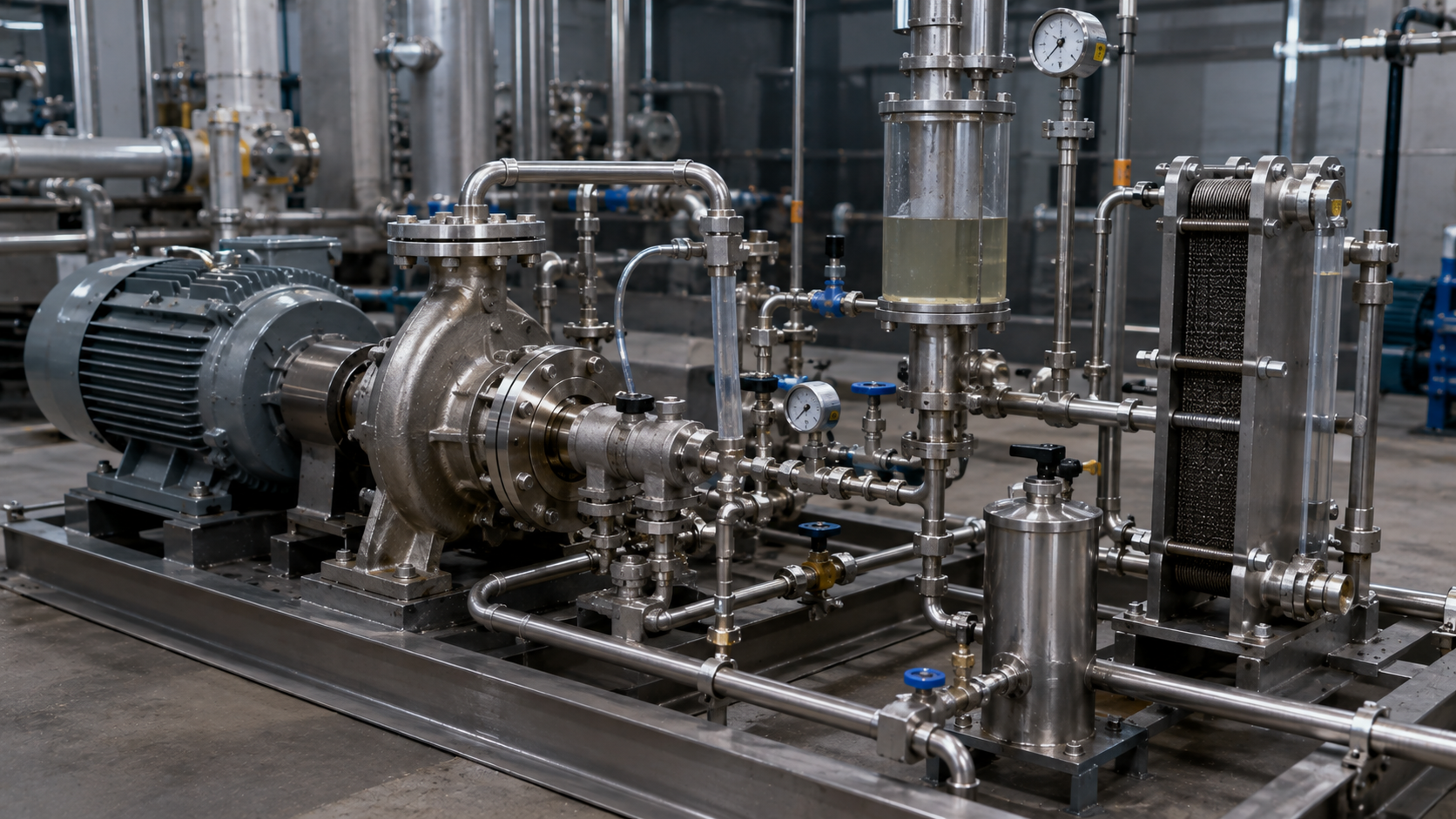
Mechanical Seal Support Systems: Flush, Cooling, Buffer & Barrier Basics
Understand mechanical seal support systems, including flushing, cooling, buffer and barrier arrangements, and when each function may be required.